PlanEase
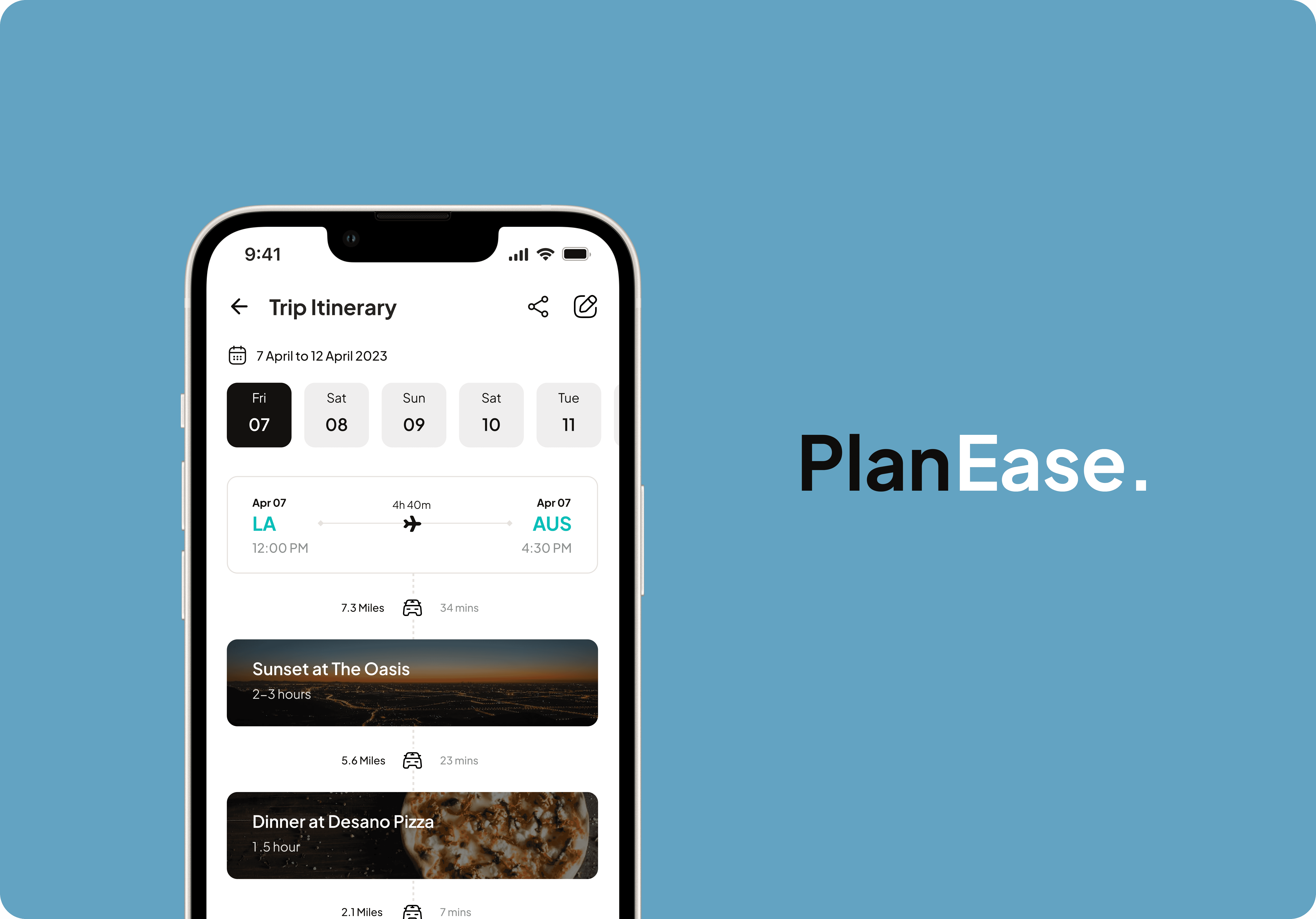
An app offering personalized trip recommendations using advanced algorithms, mood-based insights, and trends.
Project Duration
January 2023 - May 2023
PlanEase: AI-Powered Trip Planner
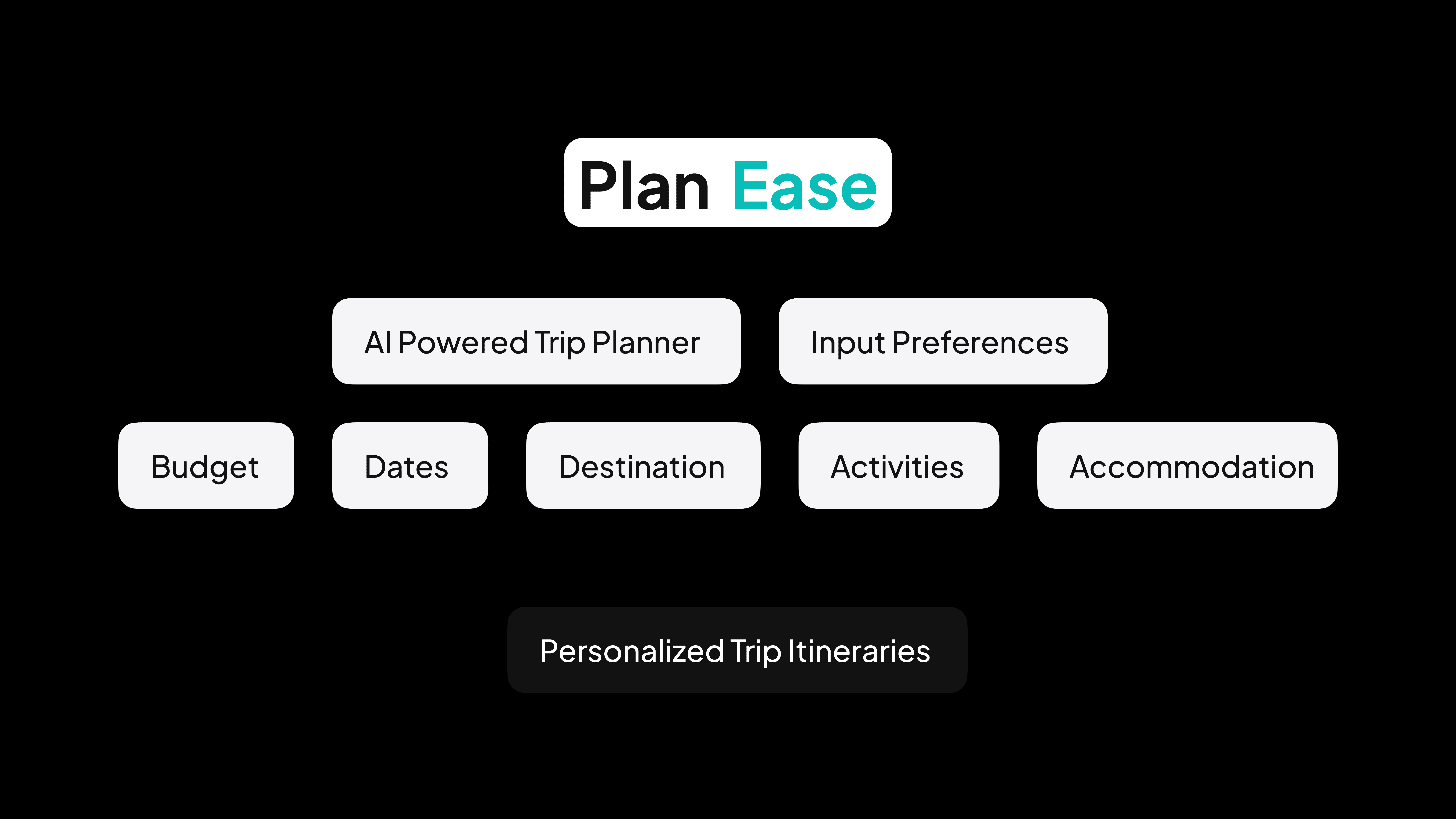
PlanEase is an app that plans to create a comprehensive platform that offers personalized trip recommendations based on a variety of factors including natural language processing, unsupervised learning, personal preferences, friends' lists, and popular trends. We also aim to provide mood-based recommendations based on time, place, and emotion, allowing users to find the perfect travel itinerary to fit their unique needs.
Introduction
As the UX designer for PlanEase, I am thrilled to share how this project revolutionizes the travel industry by seamlessly integrating cutting-edge technology and user-centric design principles. With a deep understanding of our user's needs and desires, I embarked on a transformative journey to create an AI-powered trip planner that delivers a delightful and personalized experience. Allow me to present the highlights of our project, showcasing its potential to elevate our brand and captivate travelers worldwide.
Project Duration
January 2023 - May 2023
PlanEase: AI-Powered Trip Planner
PlanEase is an app that plans to create a comprehensive platform that offers personalized trip recommendations based on a variety of factors including natural language processing, unsupervised learning, personal preferences, friends' lists, and popular trends. We also aim to provide mood-based recommendations based on time, place, and emotion, allowing users to find the perfect travel itinerary to fit their unique needs.
Introduction
As the UX designer for PlanEase, I am thrilled to share how this project revolutionizes the travel industry by seamlessly integrating cutting-edge technology and user-centric design principles. With a deep understanding of our user's needs and desires, I embarked on a transformative journey to create an AI-powered trip planner that delivers a delightful and personalized experience. Allow me to present the highlights of our project, showcasing its potential to elevate our brand and captivate travelers worldwide.
Project Duration
January 2023 - May 2023
PlanEase: AI-Powered Trip Planner
PlanEase is an app that plans to create a comprehensive platform that offers personalized trip recommendations based on a variety of factors including natural language processing, unsupervised learning, personal preferences, friends' lists, and popular trends. We also aim to provide mood-based recommendations based on time, place, and emotion, allowing users to find the perfect travel itinerary to fit their unique needs.
Introduction
As the UX designer for PlanEase, I am thrilled to share how this project revolutionizes the travel industry by seamlessly integrating cutting-edge technology and user-centric design principles. With a deep understanding of our user's needs and desires, I embarked on a transformative journey to create an AI-powered trip planner that delivers a delightful and personalized experience. Allow me to present the highlights of our project, showcasing its potential to elevate our brand and captivate travelers worldwide.
Project Duration
January 2023 - May 2023
PlanEase: AI-Powered Trip Planner
PlanEase is an app that plans to create a comprehensive platform that offers personalized trip recommendations based on a variety of factors including natural language processing, unsupervised learning, personal preferences, friends' lists, and popular trends. We also aim to provide mood-based recommendations based on time, place, and emotion, allowing users to find the perfect travel itinerary to fit their unique needs.
Introduction
As the UX designer for PlanEase, I am thrilled to share how this project revolutionizes the travel industry by seamlessly integrating cutting-edge technology and user-centric design principles. With a deep understanding of our user's needs and desires, I embarked on a transformative journey to create an AI-powered trip planner that delivers a delightful and personalized experience. Allow me to present the highlights of our project, showcasing its potential to elevate our brand and captivate travelers worldwide.
Research and Insights
At the outset, extensive research allowed us to uncover invaluable insights into the pain points and aspirations of travelers. We employed a combination of surveys, interviews, and user observations to gain a profound understanding of their journeys. This data-driven approach formed the bedrock of our design strategy, enabling us to empathize with our users and create a solution that addresses their core needs
Understanding the Users
Our project initiation involved meticulous market research to identify the key competitors in the highly dynamic travel planning app market for PlanEase. Employing a comprehensive approach, we conducted online searches, scrutinized renowned travel blogs and magazines, and conducted user interviews to gather insights on the preferred apps and websites among our target audience.
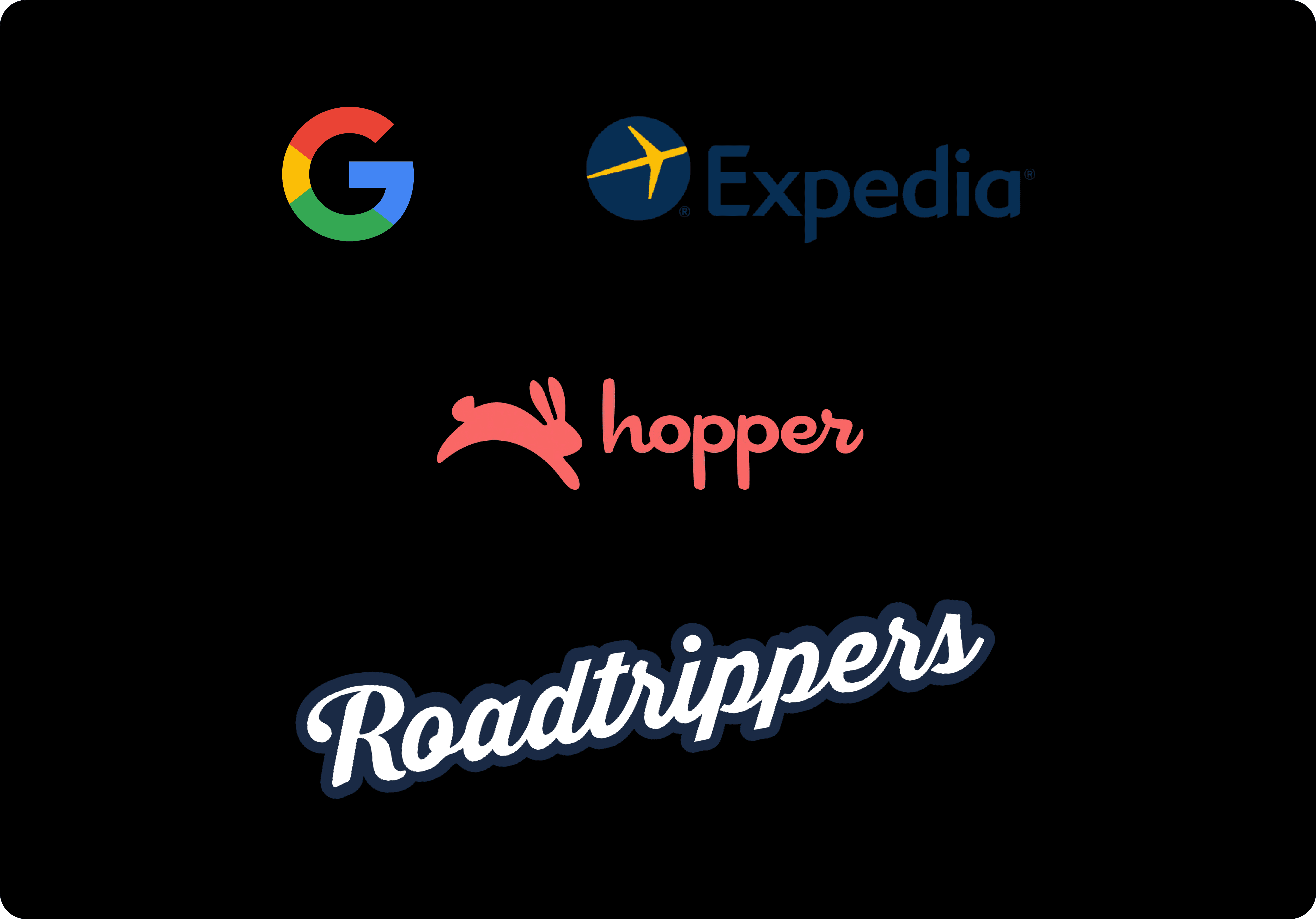
By diligently assessing the popularity of various contenders, we successfully narrowed down the field to discern direct competitors such as Expedia, Hopper, and RoadTripper, alongside an indirect contender, Google. This strategic identification enabled us to grasp the competitive landscape and identify opportunities for differentiation.
To gain a deeper understanding of our competitors, we meticulously analyzed their features, pricing models, user reviews, and marketing strategies. This exhaustive examination allowed us to gain valuable insights into their strengths, weaknesses, and customer perceptions, thereby equipping us with the knowledge necessary to refine our approach and learn from their successes and challenges.
How is PlanEase Different?
PlanEase possesses the inherent capacity to establish a competitive edge within the market landscape, owing to its exceptional user-friendly interface, robust price comparison feature, AI-generated itineraries, customizable options based on budget constraints, and seamlessly integrated booking services.
We then conducted User Surveys
We opted to conduct a survey to gain insights into users' trip-planning behaviors and preferences. To accomplish this, we created a Google form containing open-ended, closed-ended, and rating questions and shared it online to collect user responses.
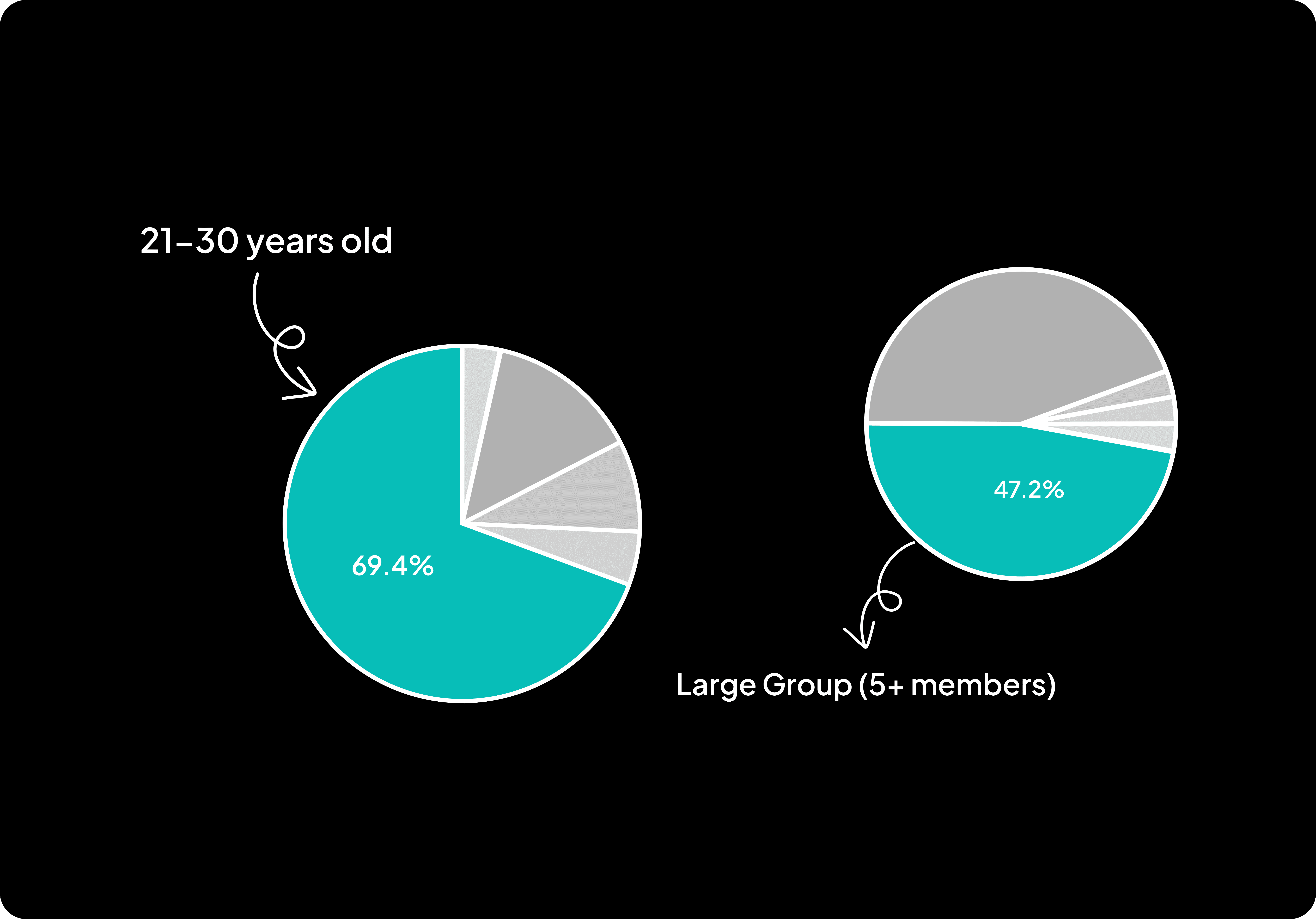
Based on our research findings, we narrowed down the features we’d like to include in PlanEase and created an initial blueprint of the platform.
User-Centric Design
Our design process revolved around placing the user at the center of every decision. Through iterative cycles of ideation, prototyping, and user testing, we ensured that PlanEase met the highest standards of usability and intuitiveness. By closely collaborating with our target audience, we were able to refine the user interface and interaction design, resulting in a seamless and engaging experience that guides travelers effortlessly through their trip-planning journey.
Initial Wireframes
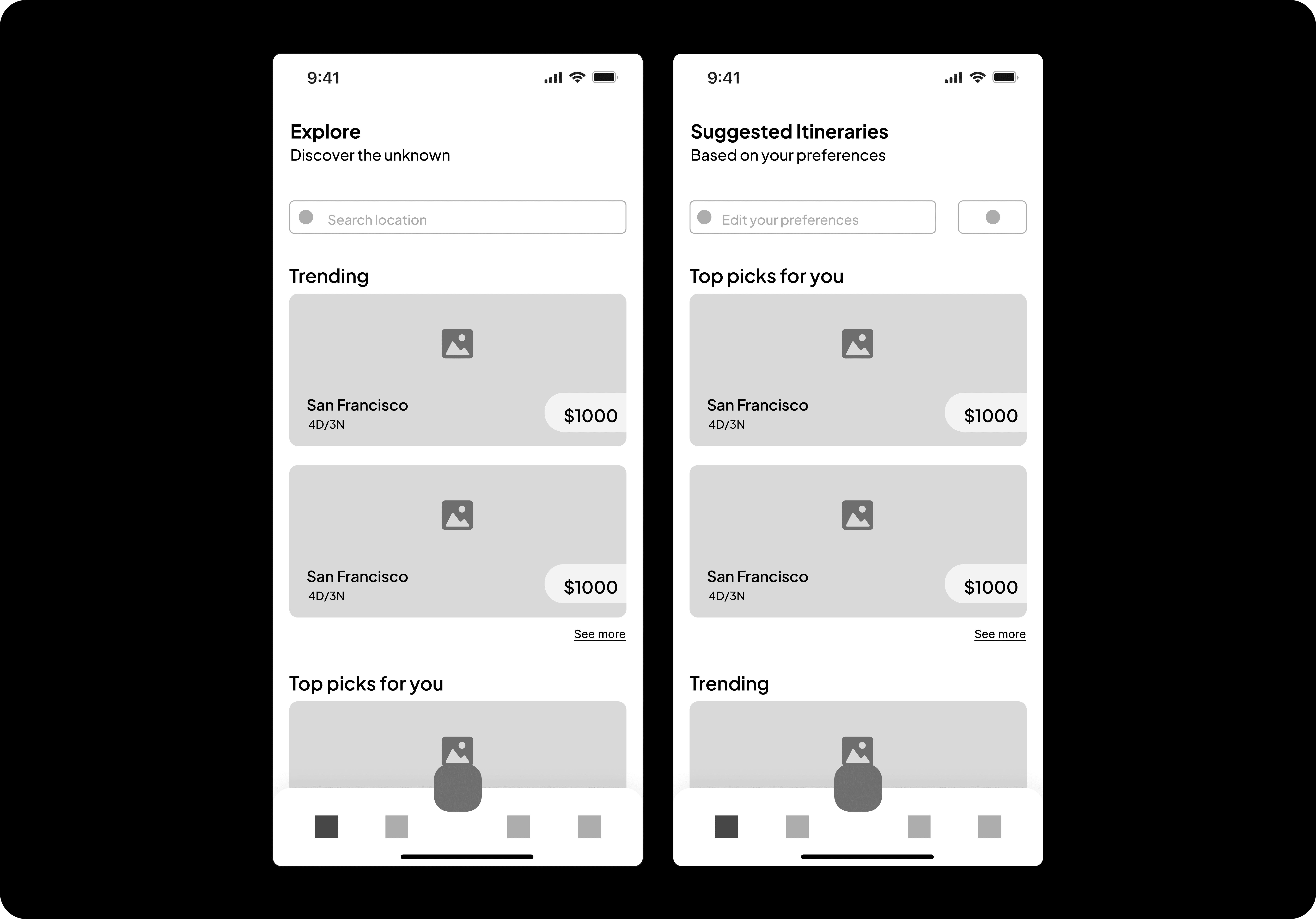
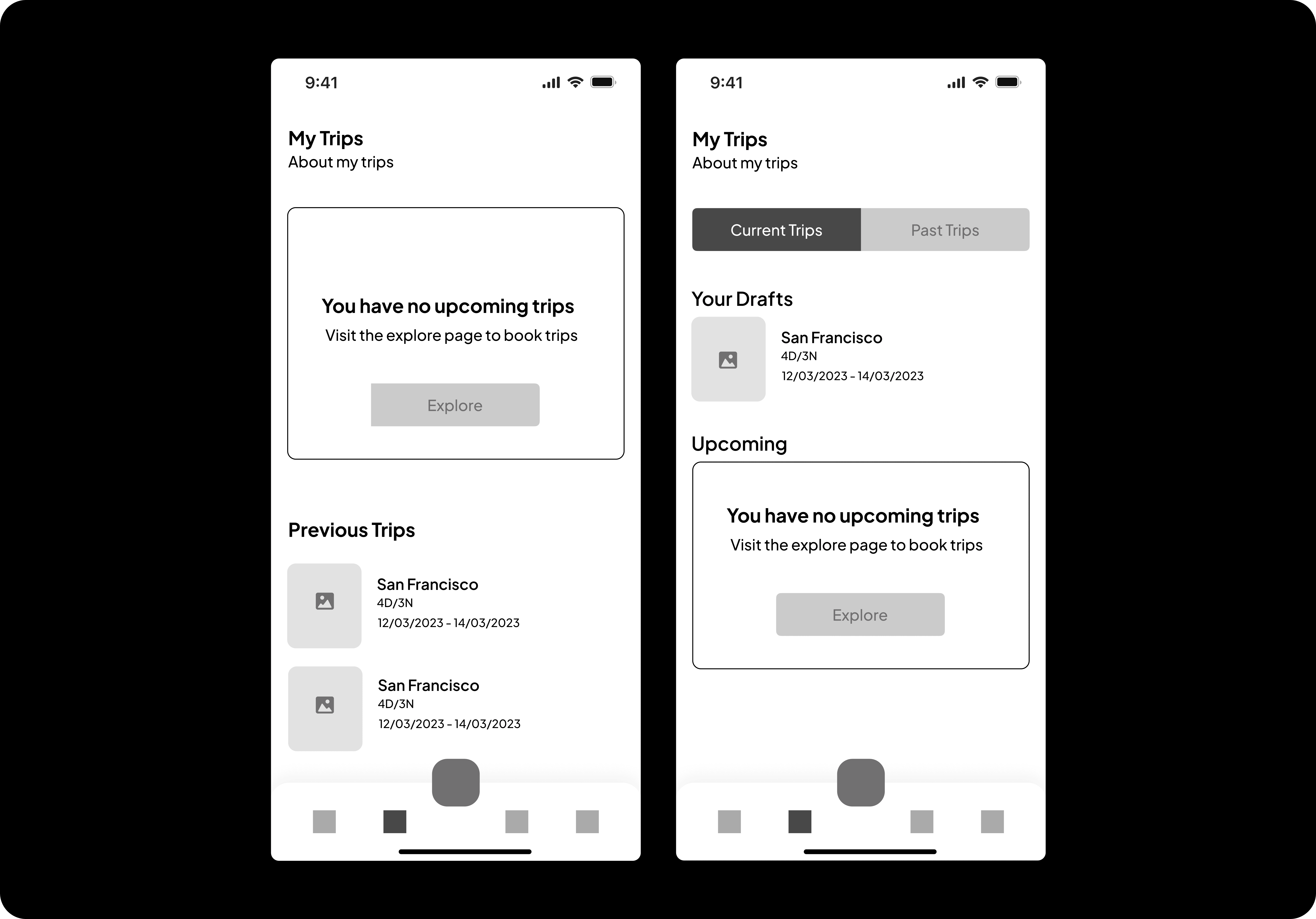
After completing our blueprint, our team sketched out potential app flows and main features and then began developing a wireframe for the app using Figma.
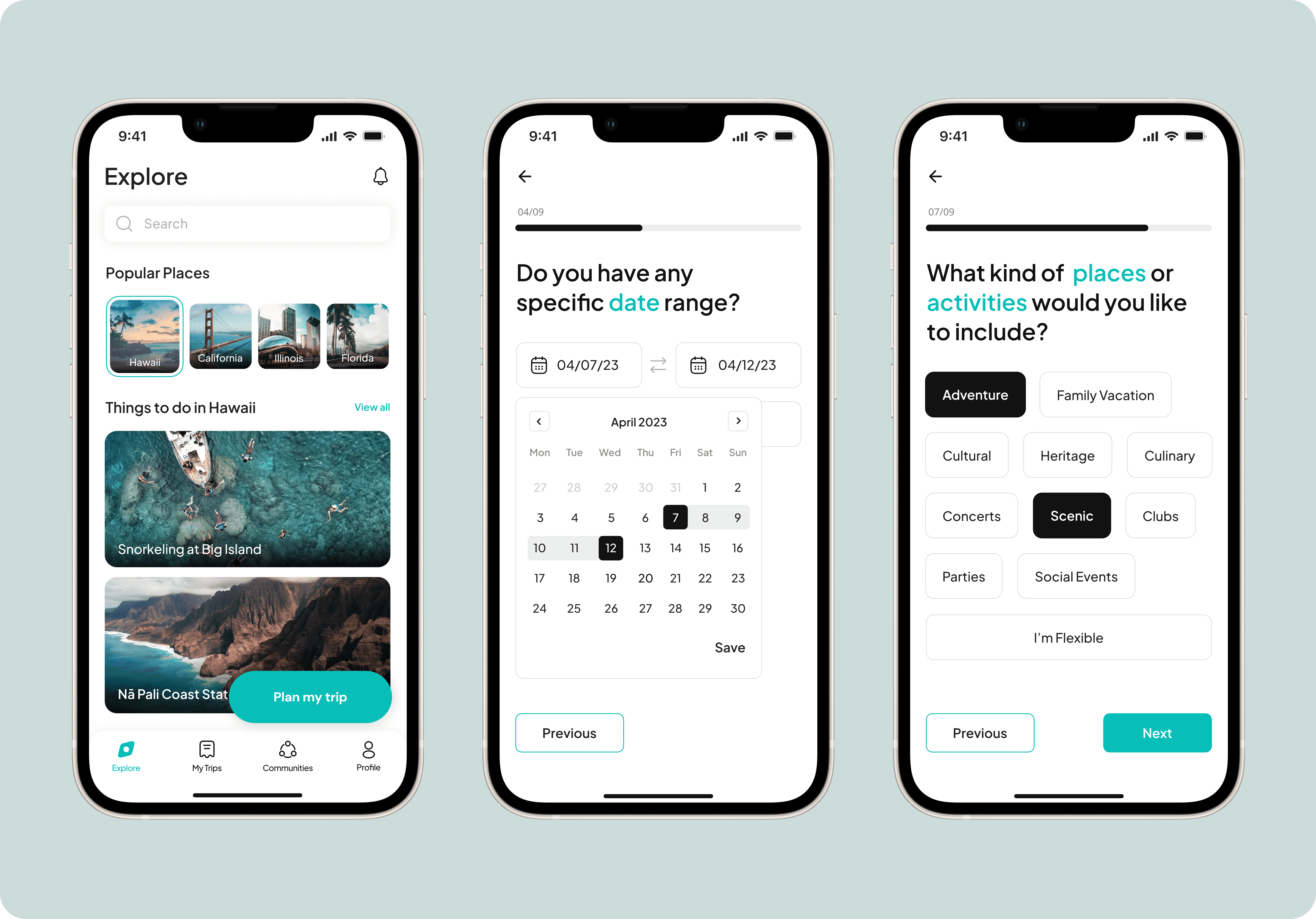
The below sketches include 5 main screens of the application i.e. Explore, Plan a Trip, Reviews, Communities, and Profile. Users would be asked to complete some preferences to plan a trip, including starting location, no. of days, date range, no. of people, budget, kind of places/activities, and travel & food preferences. Then, AI will generate packages based on the user’s input.
We took a horizontal approach while designing wireframes, touching on a few screens for each functionality defined in the blueprint. We decided to use a grayscale palette and defined a basic font style. Each team member took the design responsibility for one of the screens presented in the blueprint: Explore, My Trips, Plan a Trip, Community, and Profile. Once the screens were designed, we added annotated notes to describe the visual components and reasoning behind design choices.
Content Model
Once we finalized the mid-fi screens, we created a flow to have a holistic picture of the application content. We went through the content model within the team and identified some issues that caused breaks in the flow. Currently, we are revising the flow before we create our mid-fi prototype, test it with users, and go on to our high-fidelity screens.
Mid-Fidelity Wireframes
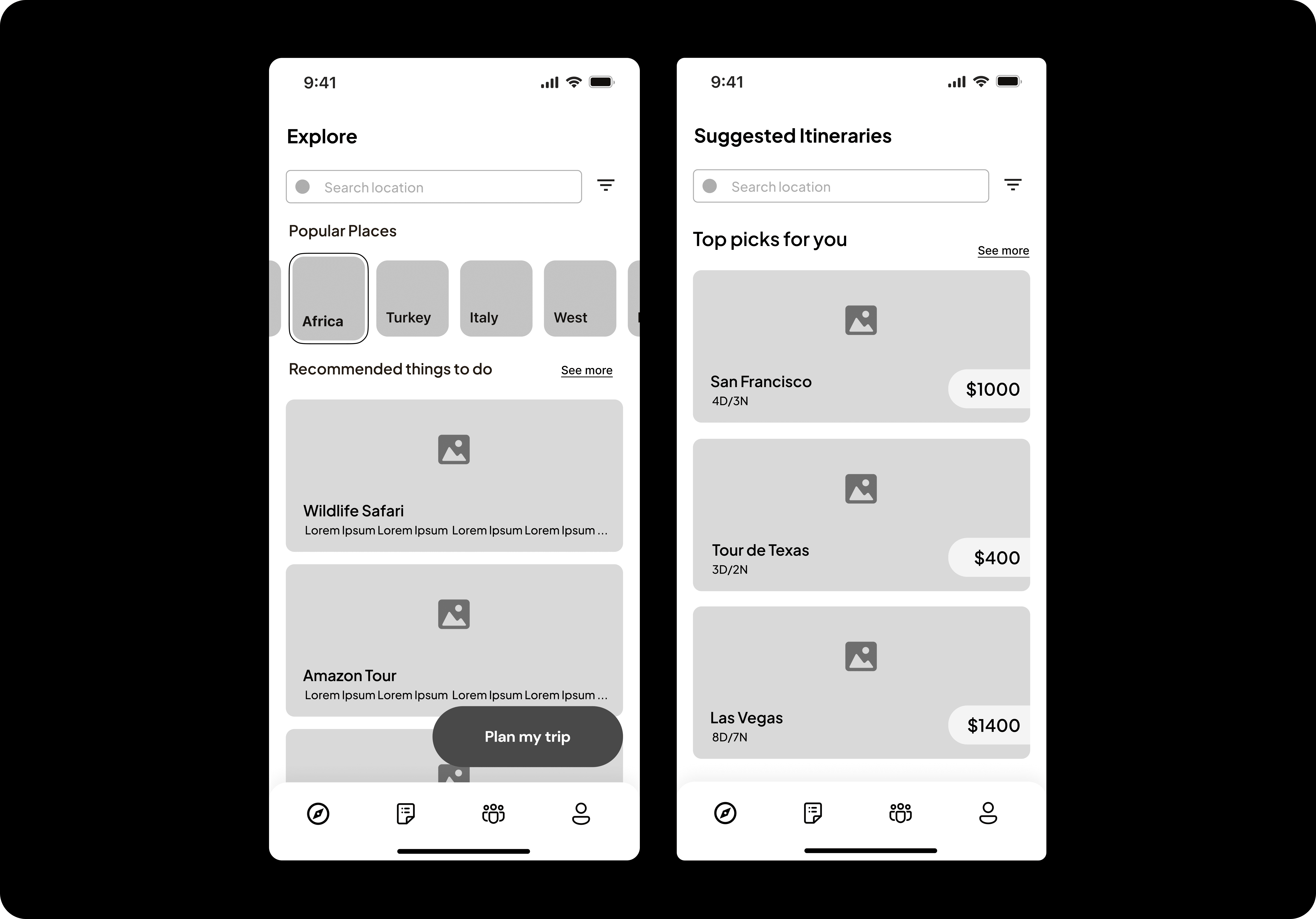
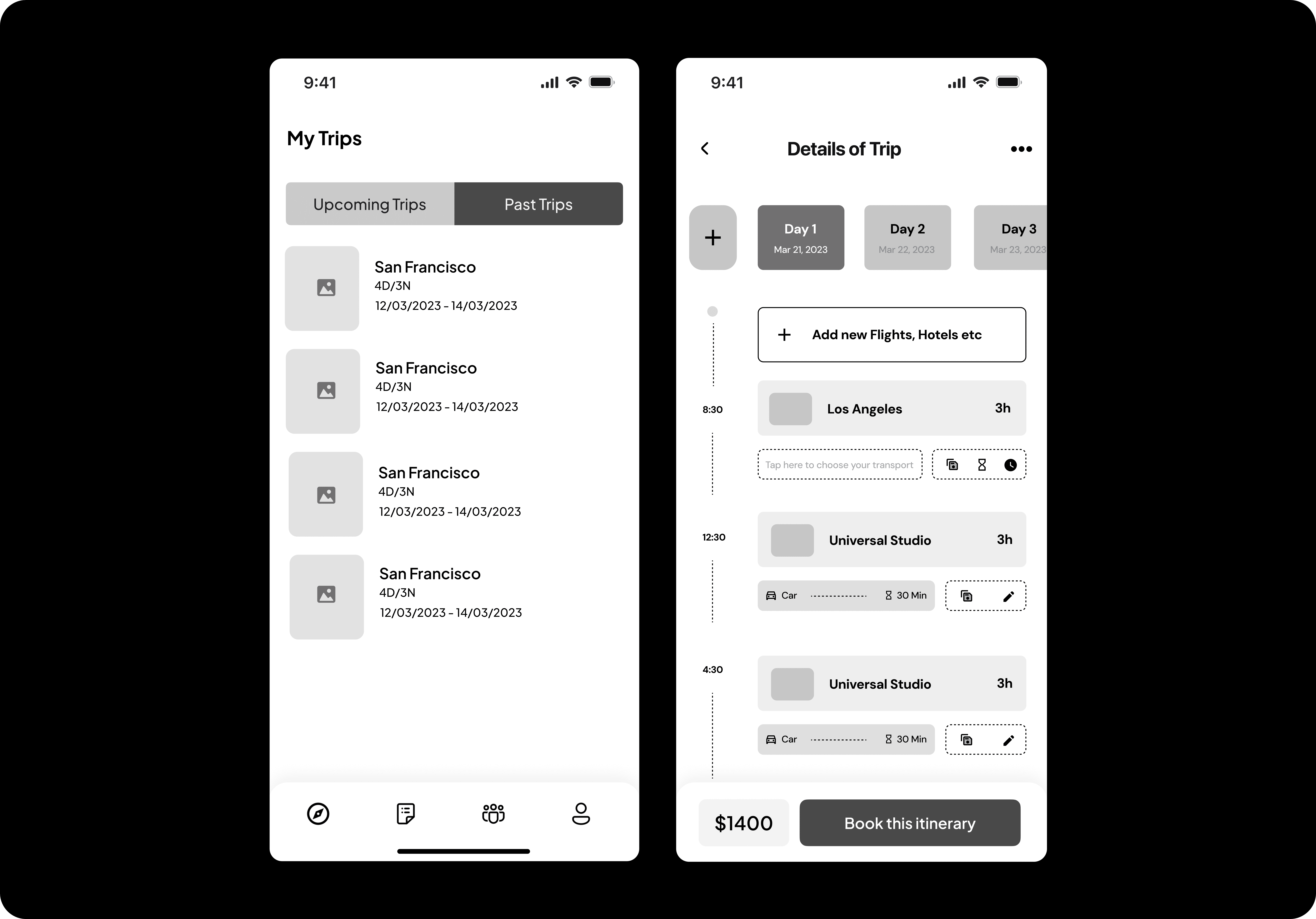
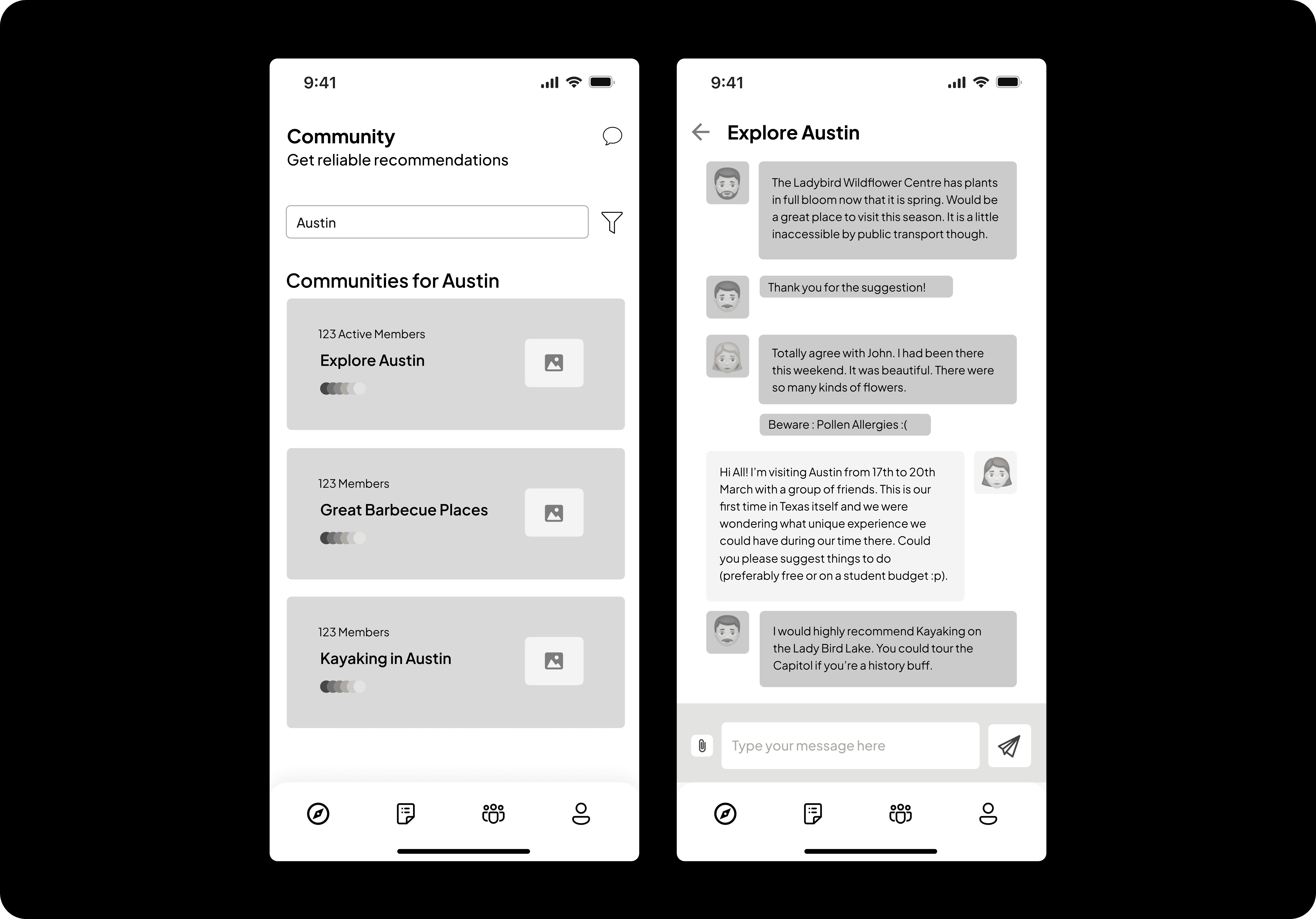
Building on our wireframes/low-fidelity screens, we started creating mid-fidelity screens individually during the spring break. To make mid-fi screens, we used the same neutral color palette and components that we used in our low-fi wireframes. We connected virtually on Zoom and provided our views and critiques on each other’s designs. The constructive criticism and regular check-ins helped us ensure our designs would provide a good user experience.
Testing on Medium Fidelity Wireframes
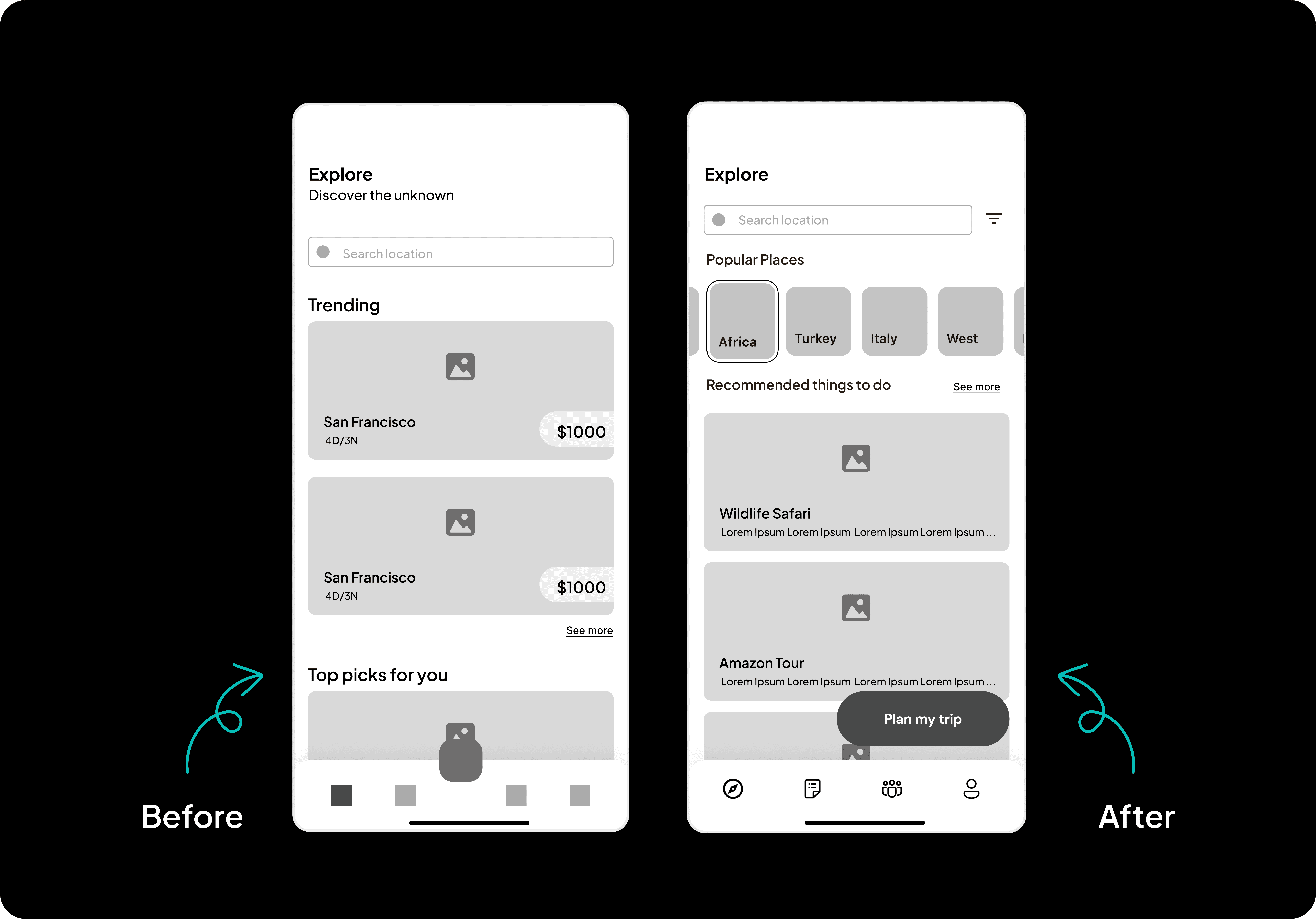
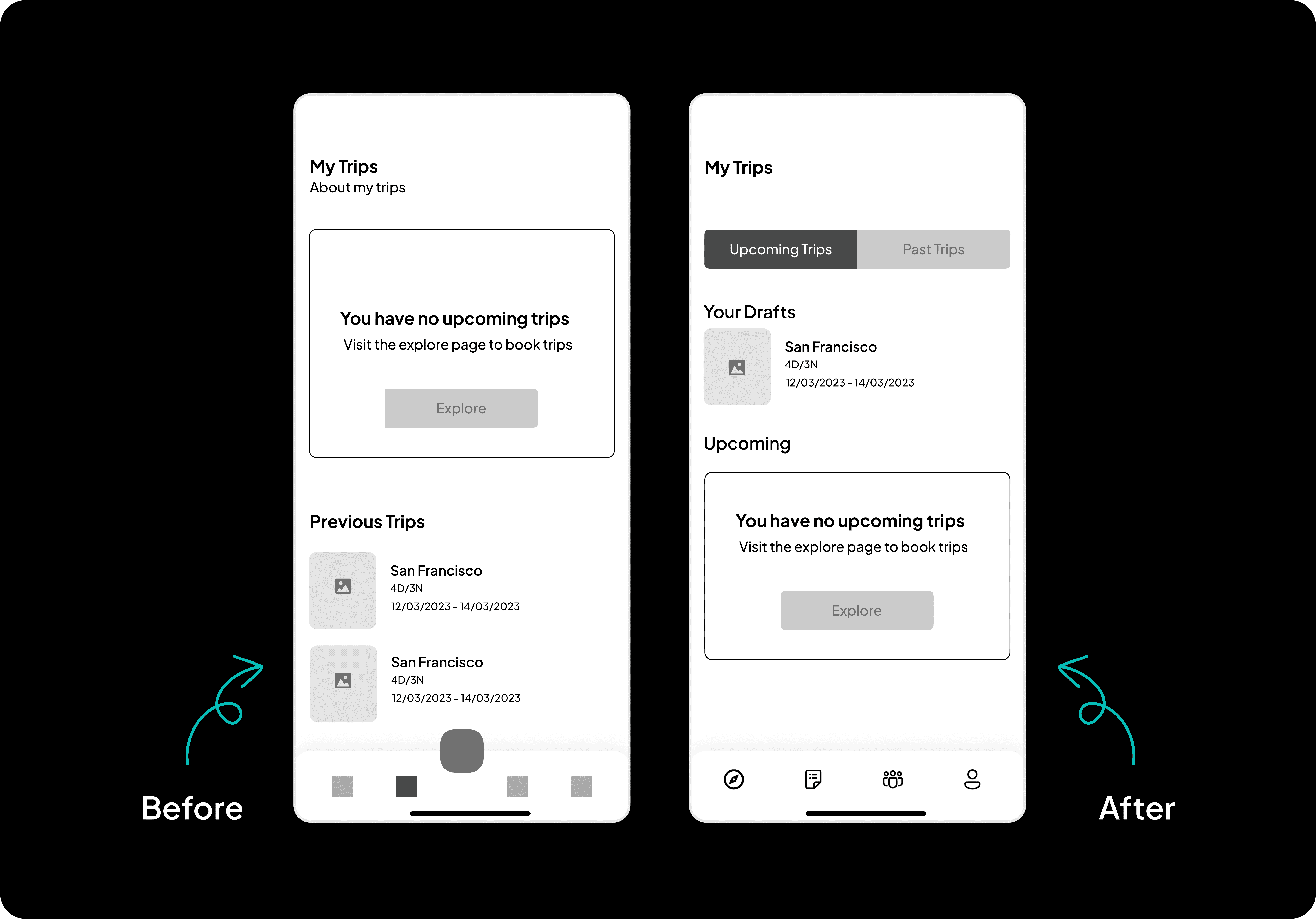
Using the wireframes we made initially, we tested a couple of users to know if we were going in the right direction or if we needed to make changes to functions that might not be intuitive or might confuse our users.
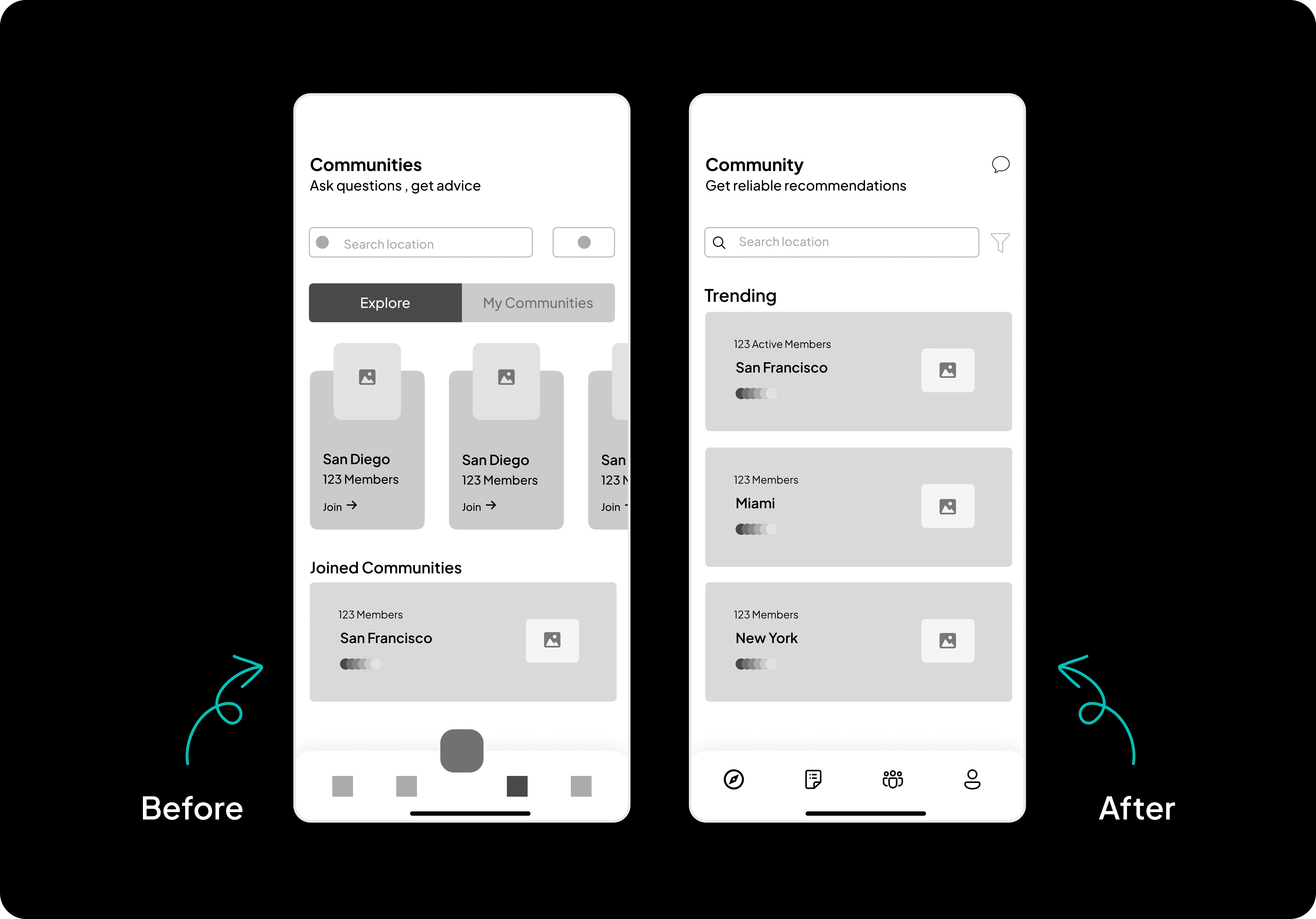

Personalization and Delight
One of the key differentiators of PlanEase is its ability to provide personalized recommendations tailored to each traveler's unique preferences. We leveraged AI algorithms to curate suggestions that align with their interests, creating a sense of anticipation and delight. By striking the perfect balance between automation and human curation, we empowered our users to discover hidden gems and embark on truly personalized adventures.
Visual Design and Brand Identity
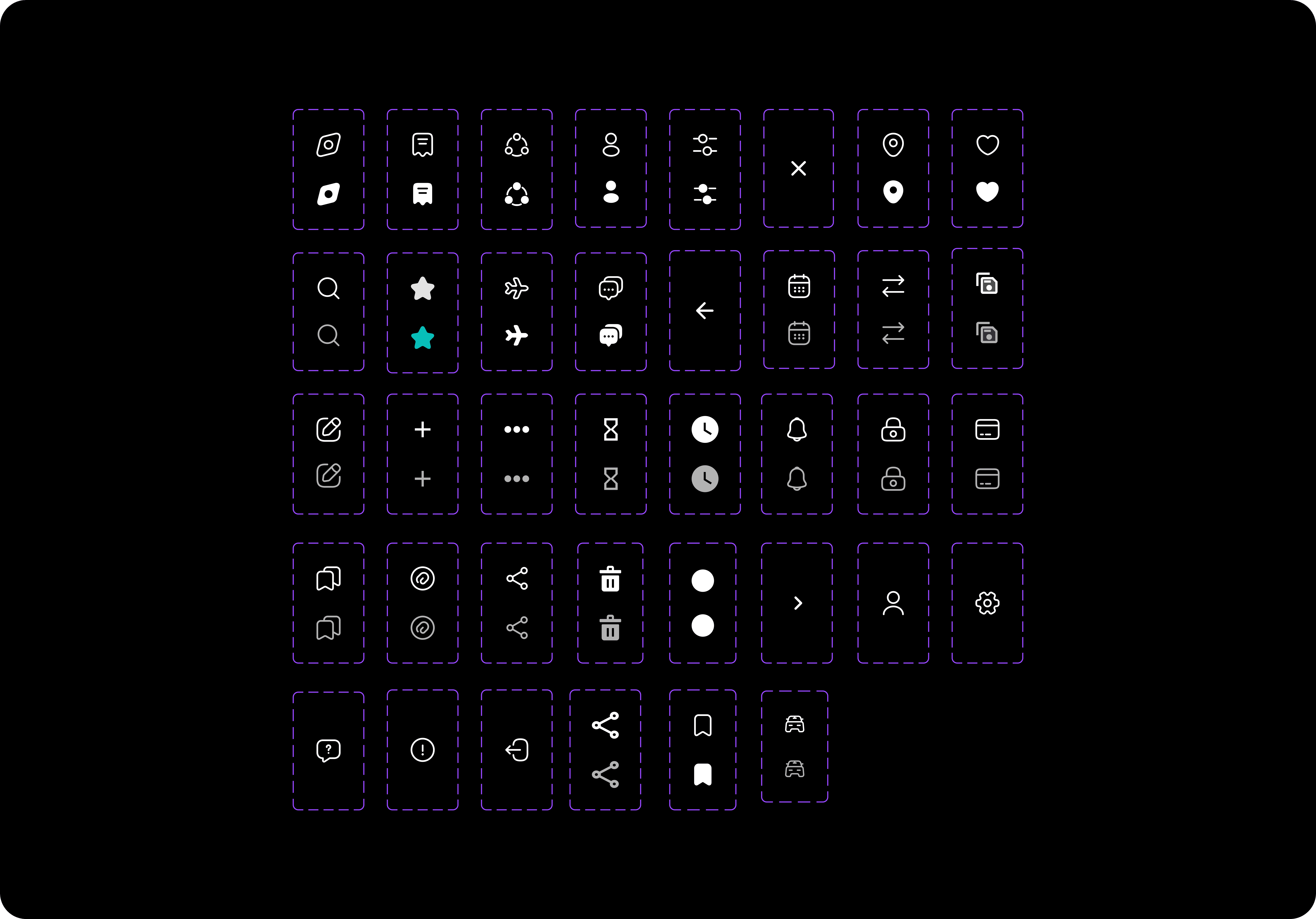
The visual design of PlanEase plays a pivotal role in evoking the spirit of travel and fostering an emotional connection with our users. Our team crafted a captivating visual language that embodies wanderlust, using vibrant colors, enticing imagery, and intuitive iconography. This cohesive design system amplifies our brand identity, establishing PlanEase as a trusted and inspiring companion for travelers worldwide.
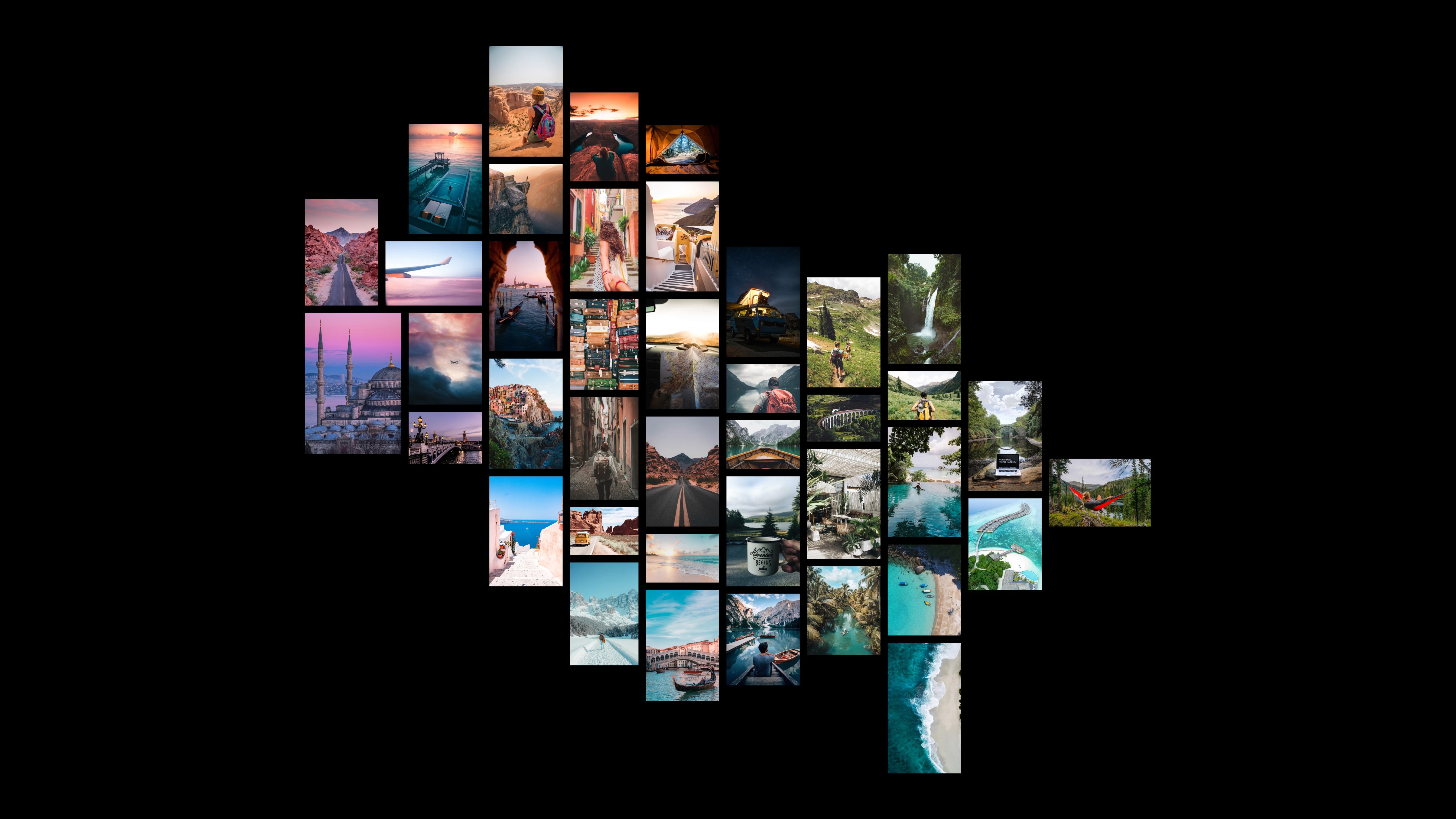
Mood board
To decide the aesthetics of the application and to bring life to our mid-fi prototype, we started marking the mood board which would help us to hone our individual ideas on the aesthetics of the application.
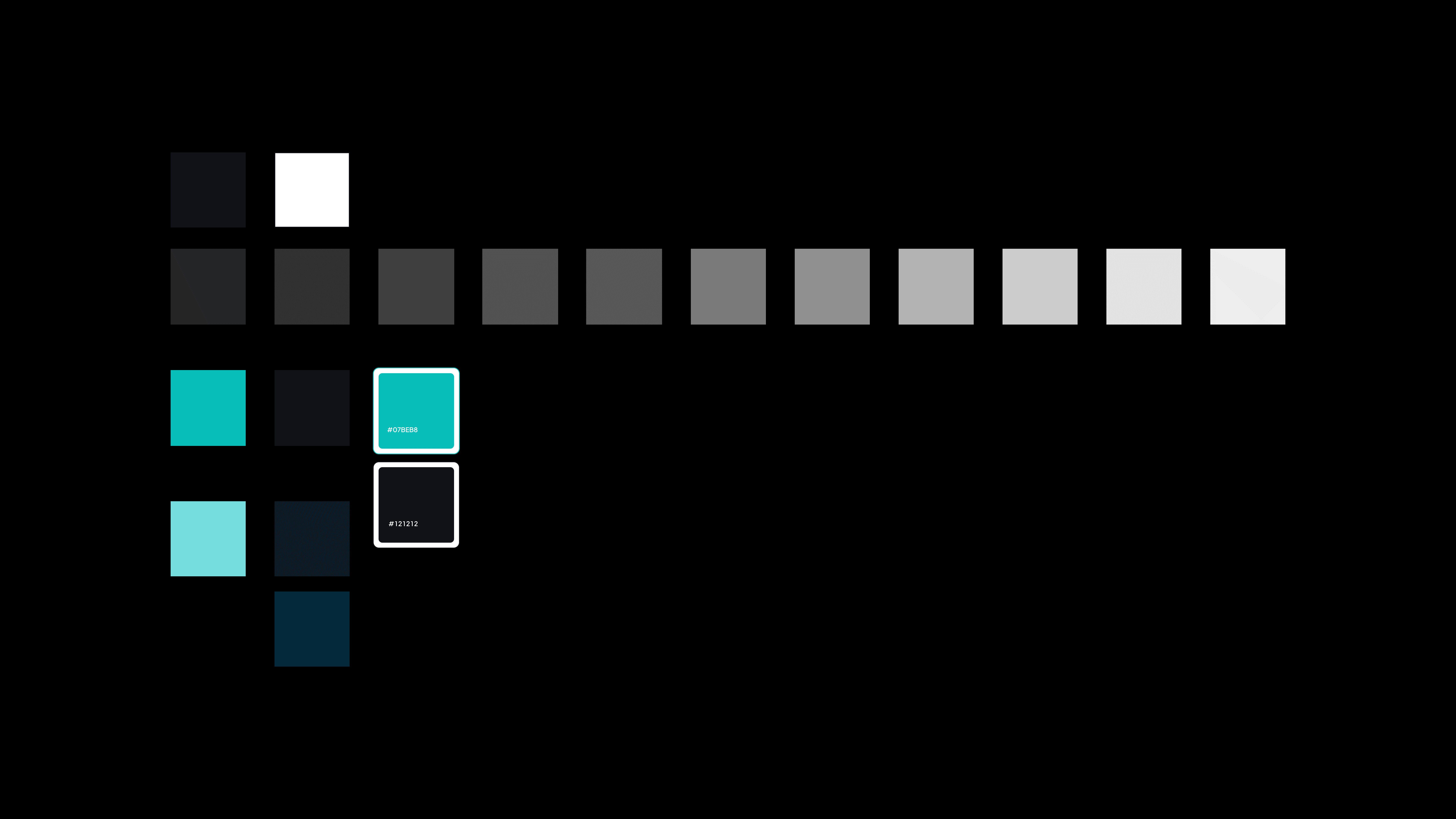
Color
Based on the mood board, we collectively decided to go with a color that induces a feeling of freedom and travel and is also just refreshing. Hence, we went ahead with turquoise. It is a relaxing and inspiring color that evokes images of crystal waters and is usually associated with liveliness, tranquility, youth, and energy. It is made of green and blue and can invoke a cheerful feeling of relaxation among the users.
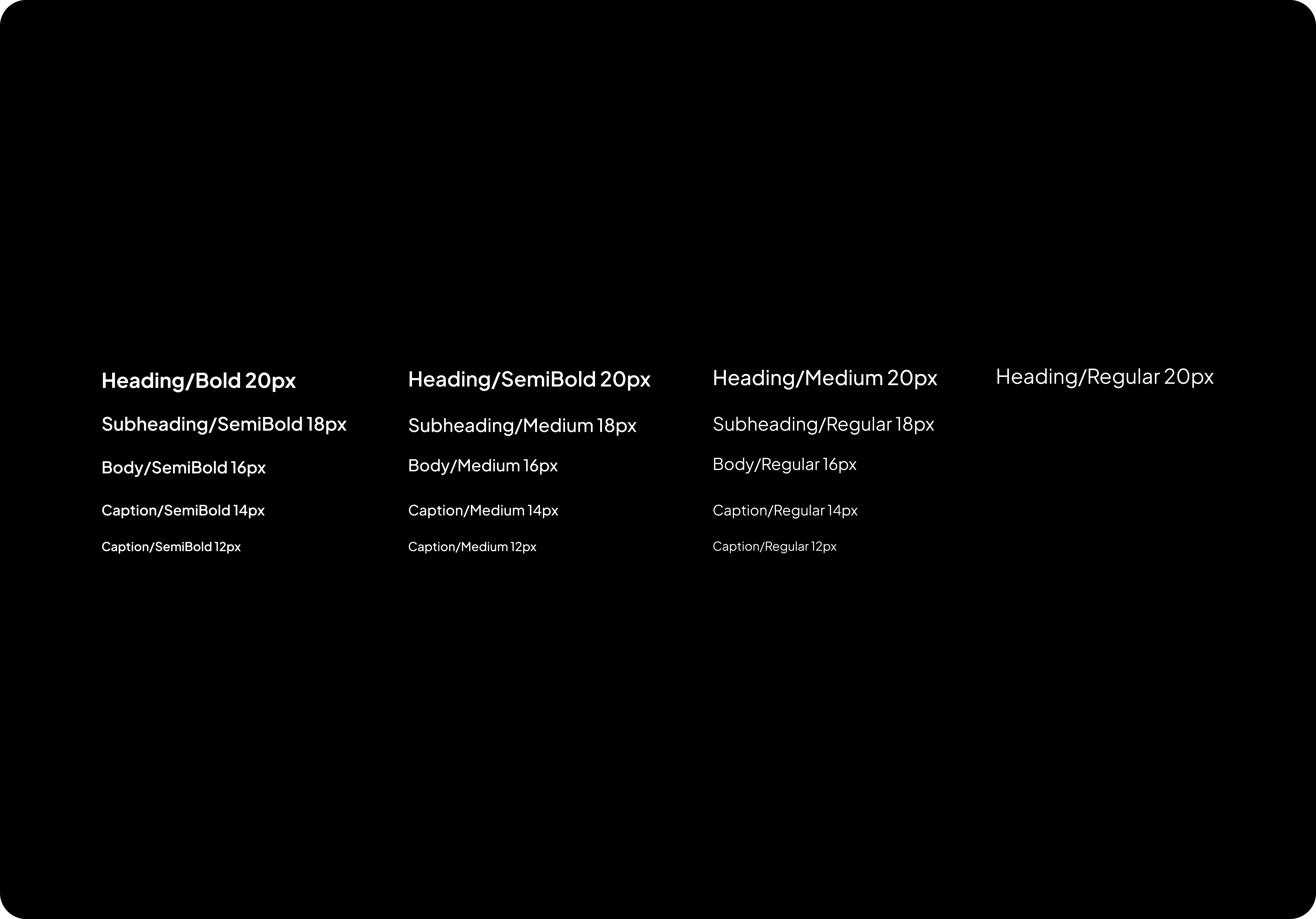
Typography
There wasn’t any hard and fast rationale behind choosing a typeface, but we just chose a typeface that just went along with the colors and overall aesthetics of the application that we wanted to convey to our users.
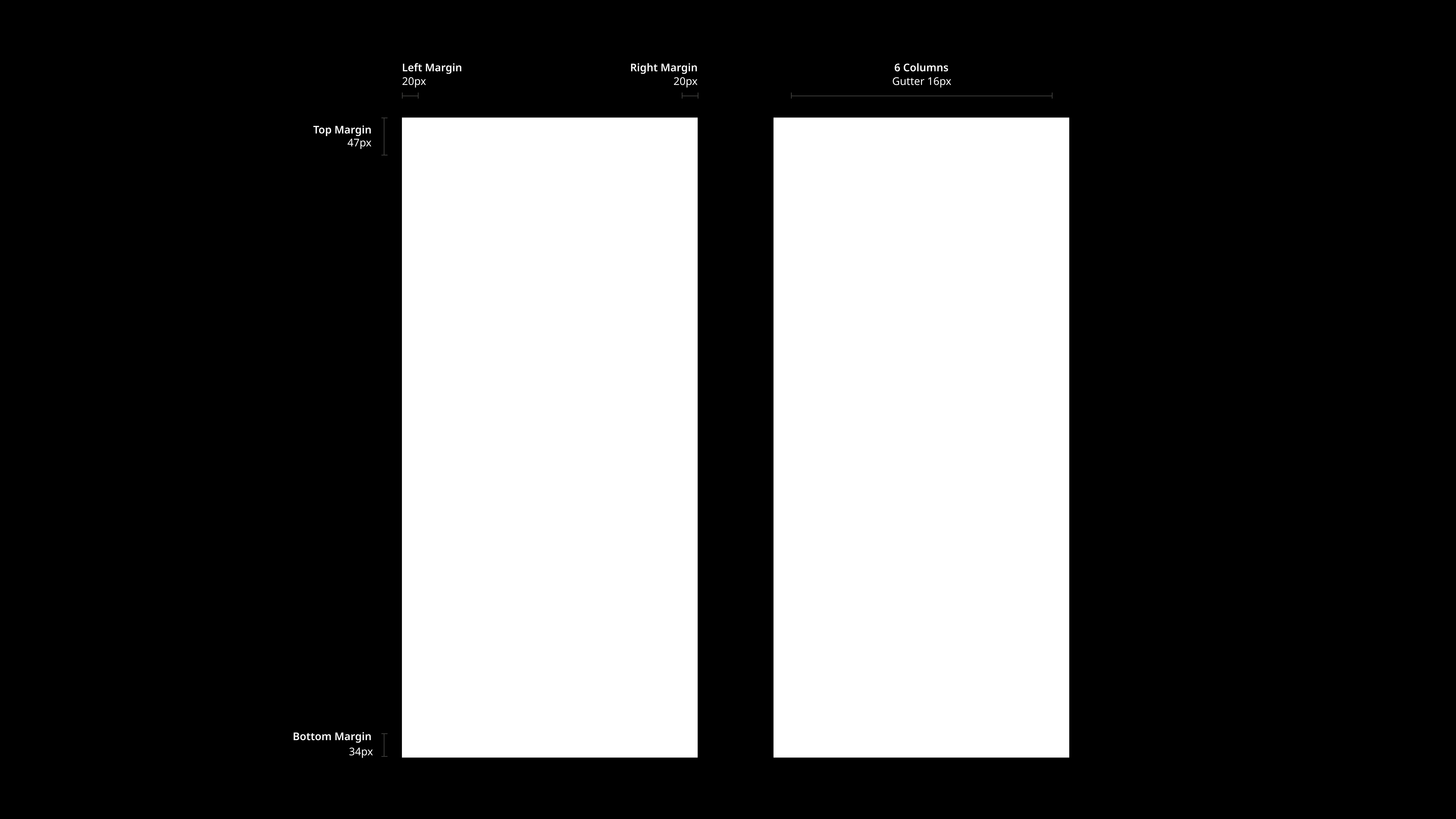
Layout and Spacing
Iconography
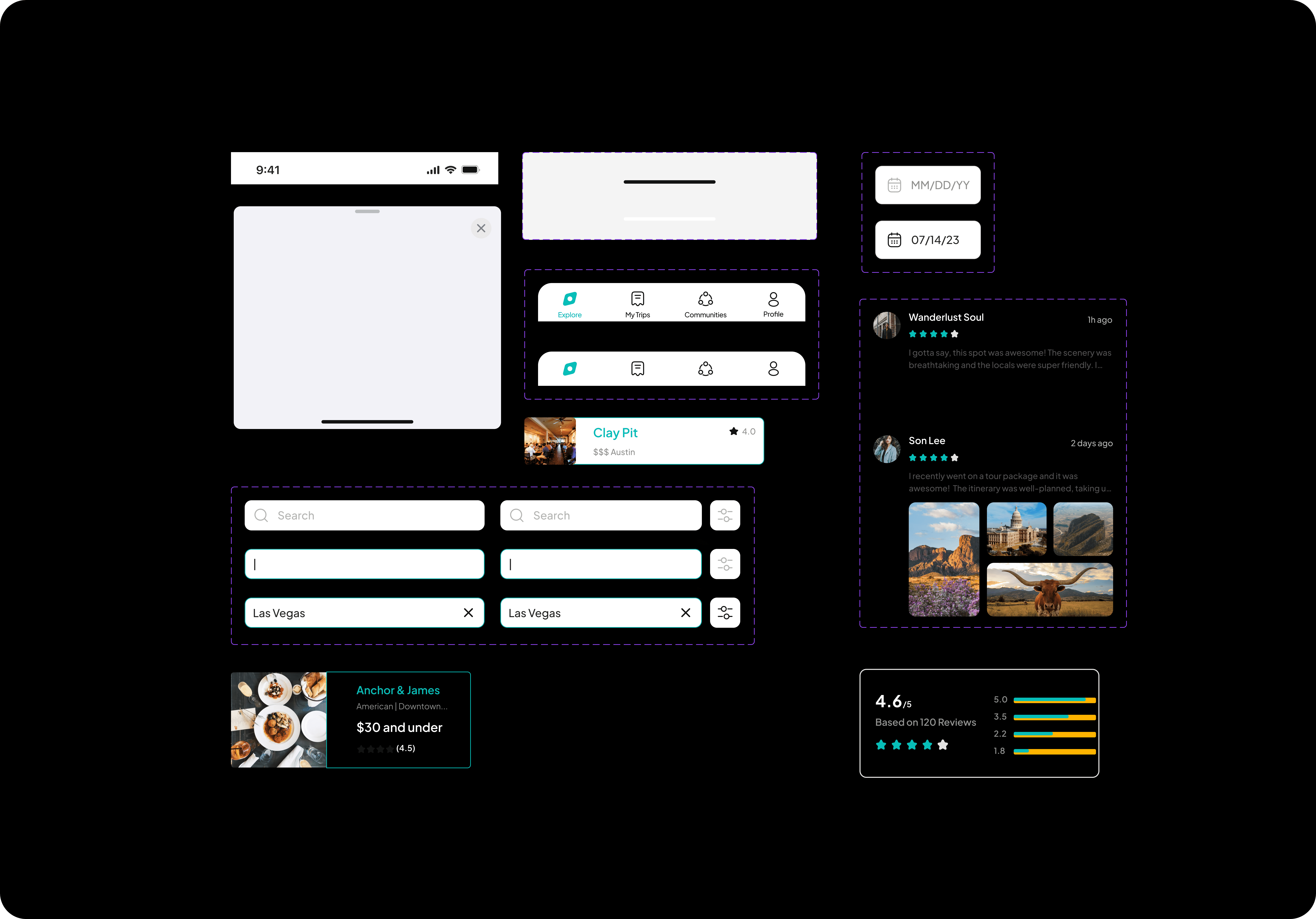
Components and Component Sets
Prototyping and Implementation
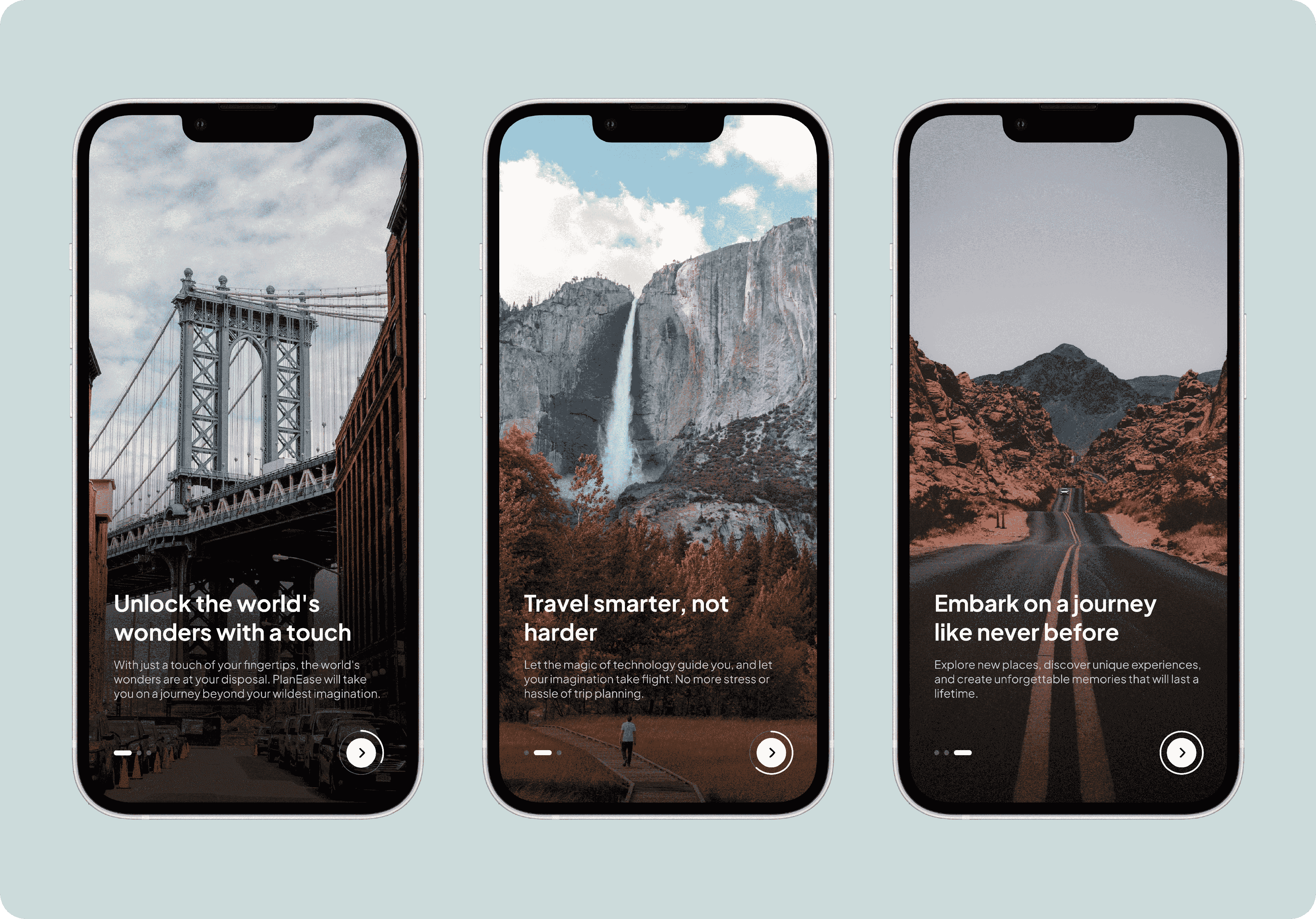
Onboarding Screen
Home Screen & Plan My Trip
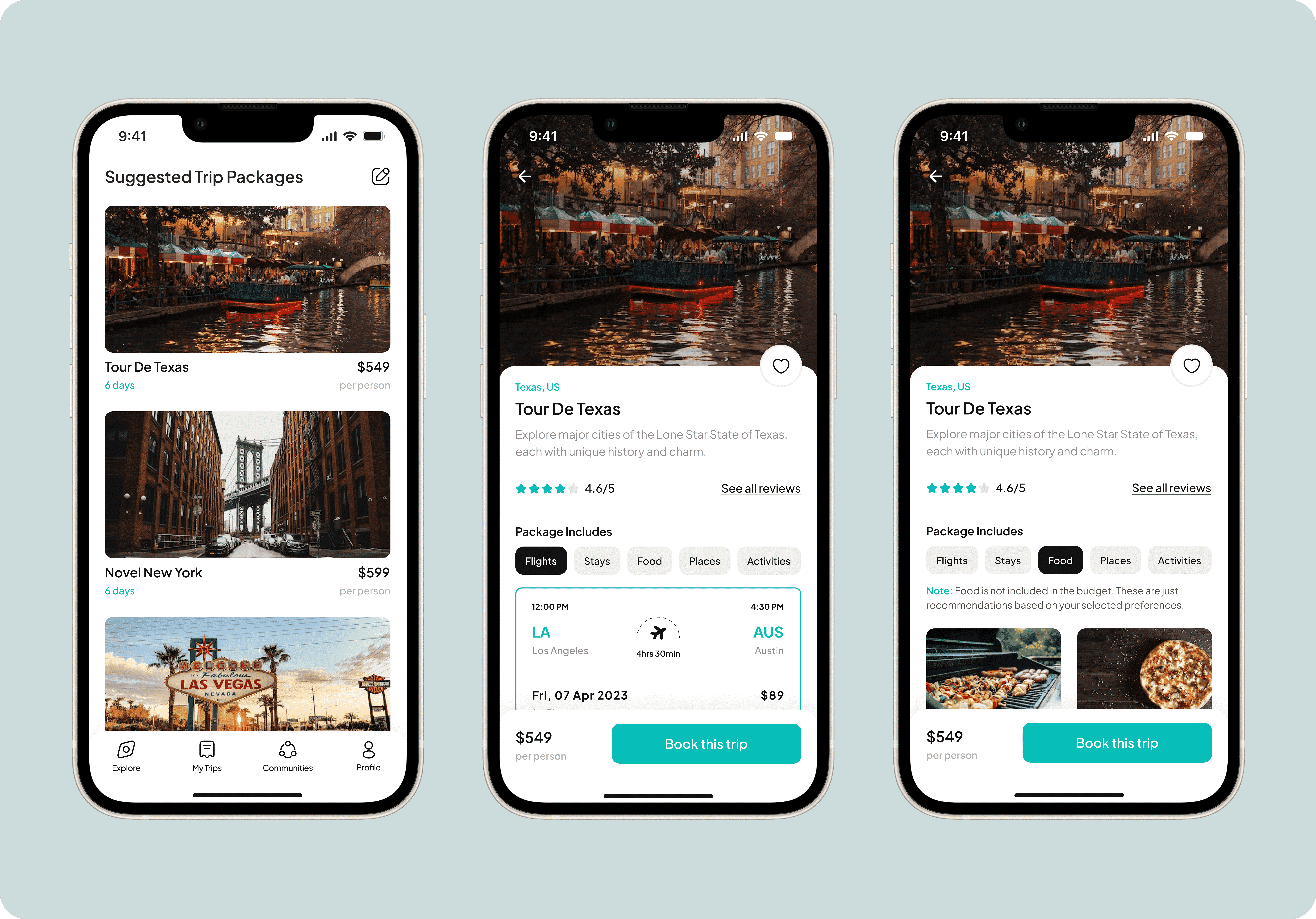
Suggested Trip Packages & Package Details Screens
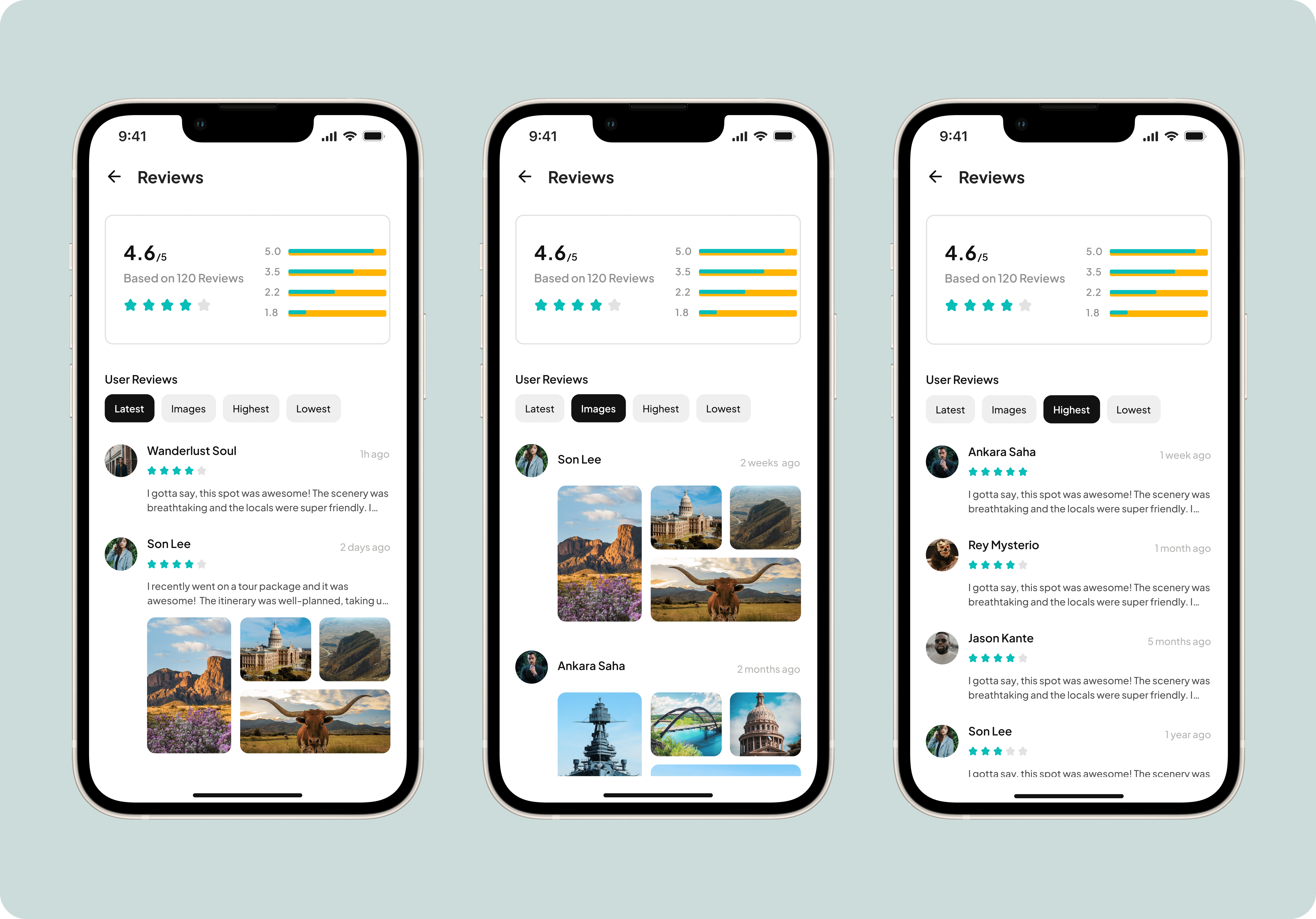
Reviews Screens
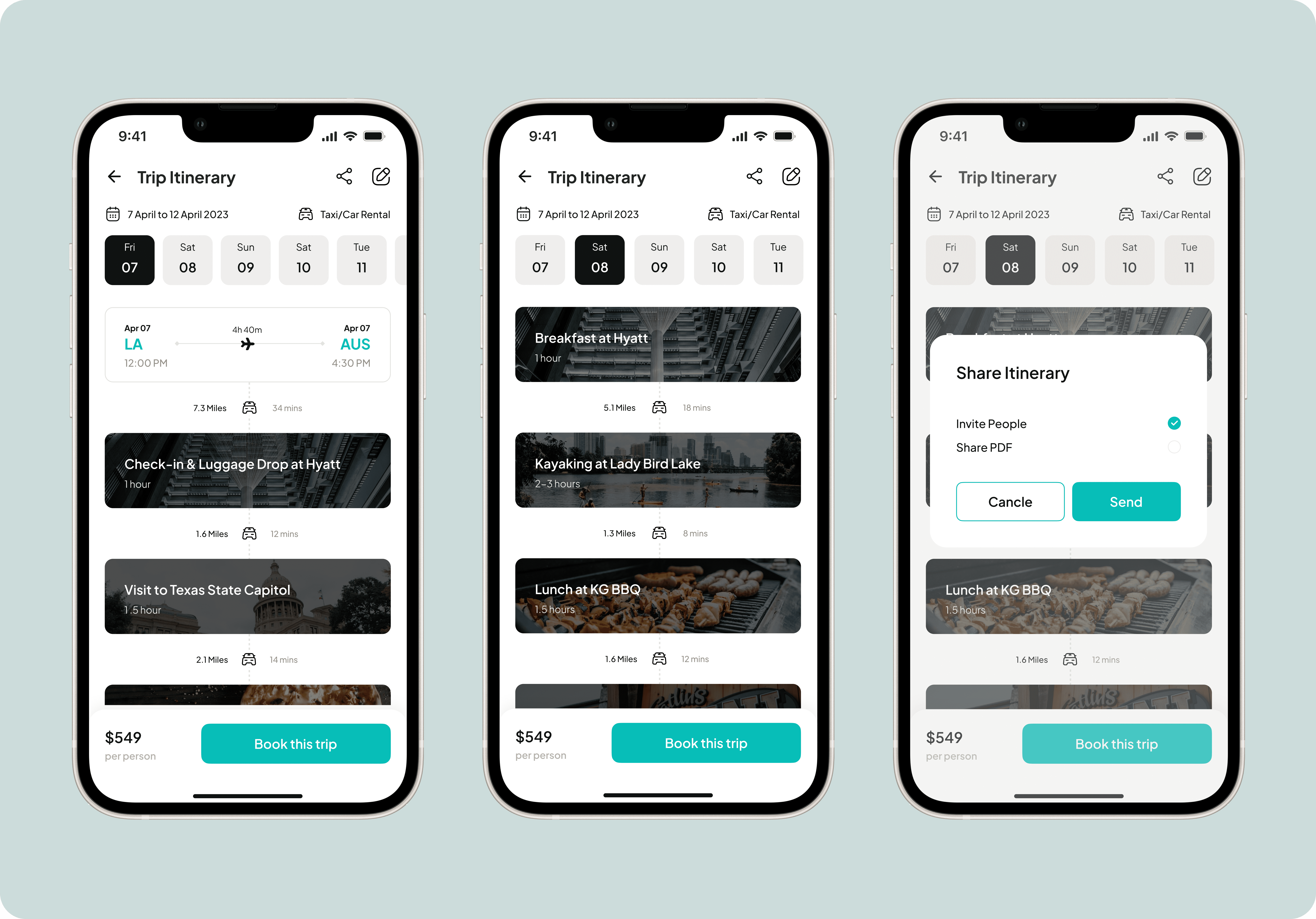
Trip Itinerary Screens
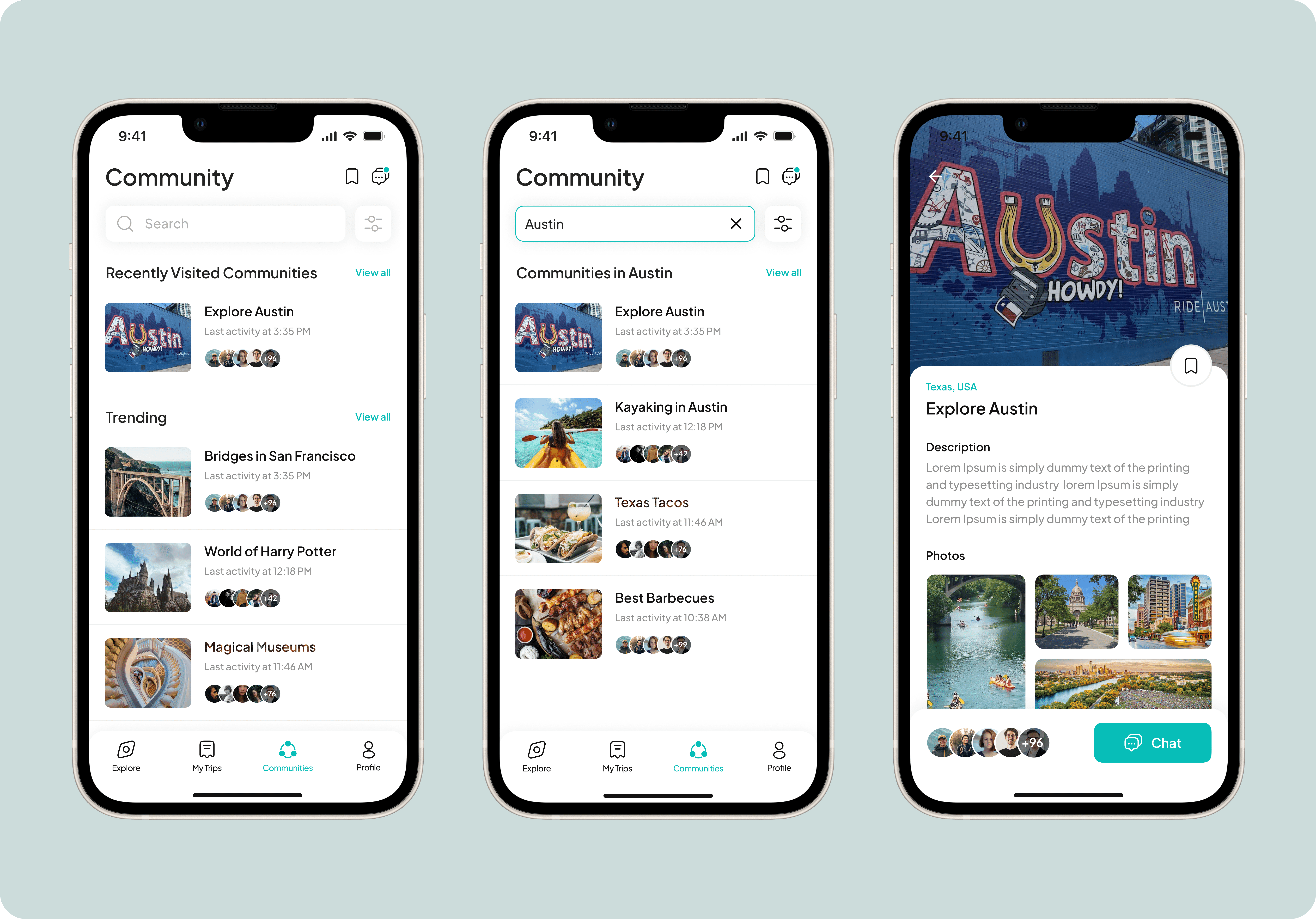
Communities & Messages Screens
User Testing, Evaluation, and Iteration
Process
For the first round of user testing, we decided to launch 9 tests, 3 each from the 3 categories which are of age 18 to 25, 26 to 40, and 40-65+.
As soon as we got responses from our participants, a couple of our team members would start watching the videos and would take notes and record clips on usertesting.com. We bifurcated our notes using tags like user quotes, insights, frustrations, liked-most, user recommendations, improvements, overall experience, and final thoughts. We also made a few notes positive and negative so that it becomes easy for other team members when they do the task analysis and work on improvements using these insights.
Then to analyze these notes, we created sticky notes based on the tags we gave on usertesting.com and arranged them based on the task.
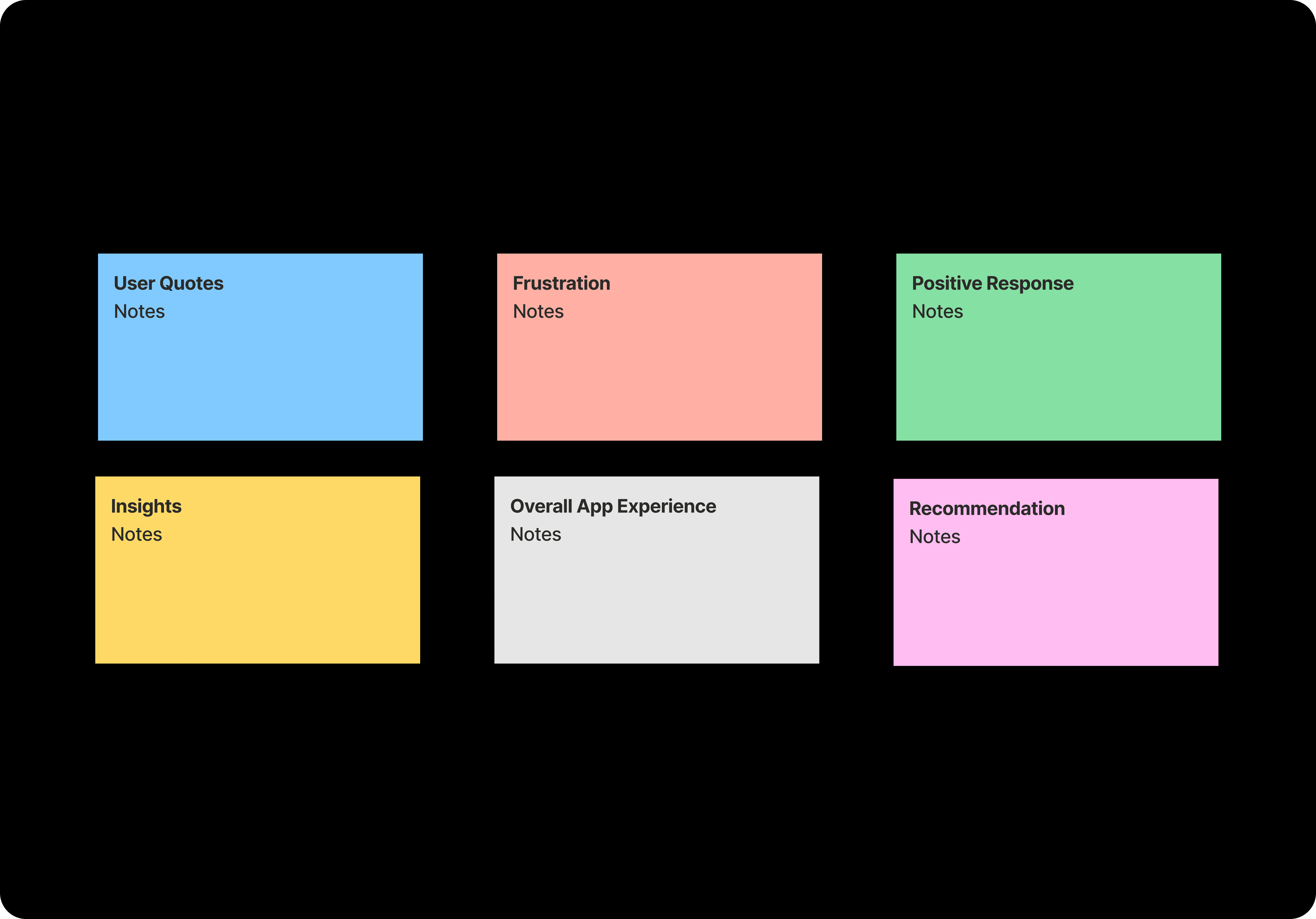
Note Analysis in Figjam
Following the user interviews, we delved deeper into the collected data to gain a comprehensive understanding of user needs and identify areas for improvement in the Surplus app. To facilitate this process, we utilized FigJam, a collaborative visual tool. FigJam allowed us to centralize all interview findings, such as user pain points, desires, and behaviors. This visual representation wasn't just for organization; it helped us identify patterns and trends across the interviews. Working within FigJam also fostered open discussion and brainstorming amongst the team. By seeing all the findings at once, we could collaboratively analyze them and prioritize the most impactful areas for improvement based on user research.
Measuring Success
Our dedication to delivering exceptional user experiences extends beyond launch. We have implemented rigorous analytics and user feedback mechanisms to continuously improve and optimize PlanEase. By closely monitoring key metrics such as user engagement, task completion rates, and customer satisfaction, we ensure that our design decisions align with business goals and drive tangible results.
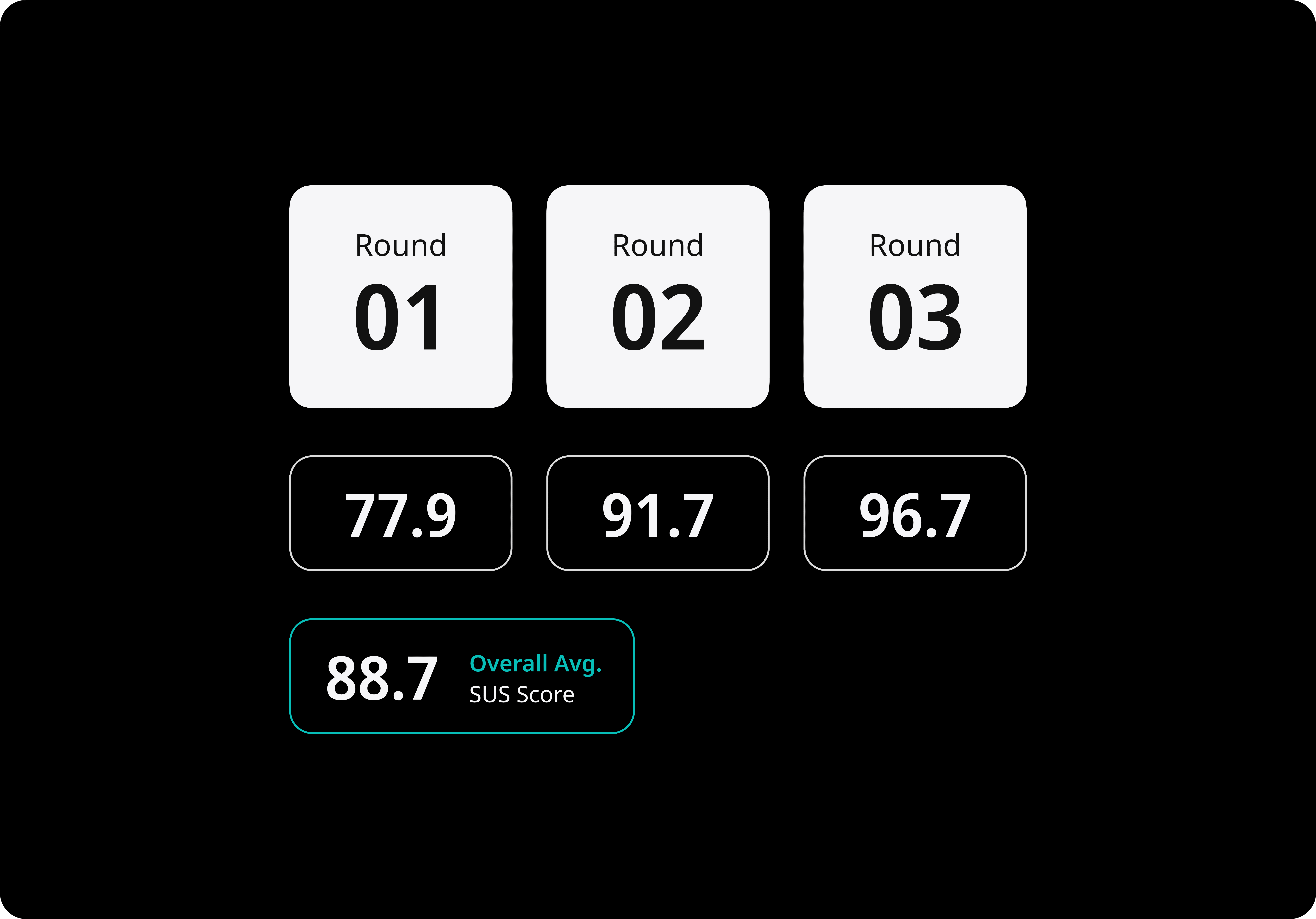
System Usability Scale
The System Usability Scale (SUS) provides a “quick and dirty”, reliable tool for measuring usability. It allows you to evaluate a wide variety of products and services, including hardware, software, mobile devices, websites, and applications.
Final Design Validation, Commentary & Critique
Throughout the semester, our team researched, planned, designed, tested, and iterated on a one-stop trip-planning app aimed at reducing users' reliance on multiple platforms. Guided by user interviews and surveys, we implemented a visually appealing and easy-to-use application that addressed the core needs identified in our research. We developed prototypes at various fidelity levels and conducted four rounds of usability testing with 20 participants. The final product included key features such as personalized trip preferences, package recommendations, itinerary sharing, community interaction, direct messaging for honest opinions, and an error-tolerant interface that saves user progress.
What was not accomplished?
Due to the tight timeframe of the course, we still have some areas we planned to design for but did not complete. Some of the things that we had planned out and we weren’t able to explore in entirety include:
Allowing users to customize the recommended itinerary by manually adding or removing the locations suggested in the package.
Providing detailed information about each hotel, restaurant, and activity included in the package so users can determine if it suits them.
Fleshing out prices and payment-related details of the booking flow.
Future Scope
The future scope of enhancing the travel package design includes implementing several features that can improve the user experience:
The first feature that can be added is allowing users to customize their itinerary by manually adding or removing locations suggested in the package. This feature can help users tailor their travel plans according to their preferences.
The second feature is providing more detailed information about each hotel, restaurant, and activity included in the package. This can help users make more informed decisions and select packages that match their preferences.
The last feature would be the pricing and payment-related details of the booking flow which can simplify the process and make it more transparent for users.
Conclusion:
In conclusion, PlanEase represents the culmination of a remarkable design journey aimed at transforming the way travelers plan and experience their adventures. With a user-centric approach, personalization features, and captivating visual design, we have positioned ourselves at the forefront of the travel industry. The potential for PlanEase to elevate our brand, increase customer loyalty, and capture new markets is undeniable. I am confident that our exceptional user experience, underpinned by meticulous research and a relentless pursuit of excellence, will enable us to create a lasting impact in the travel landscape and position our company as a leader in the digital travel industry.